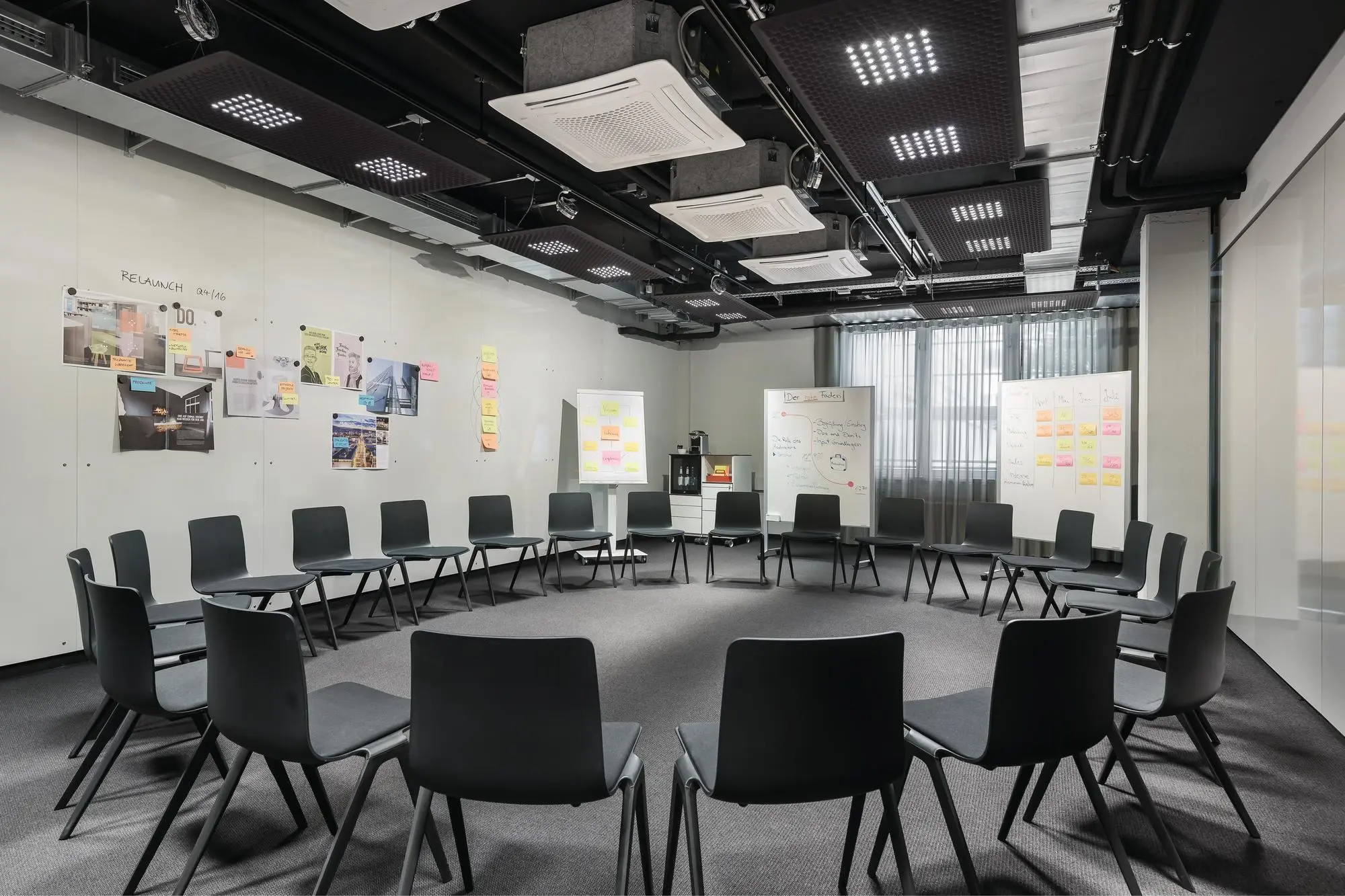
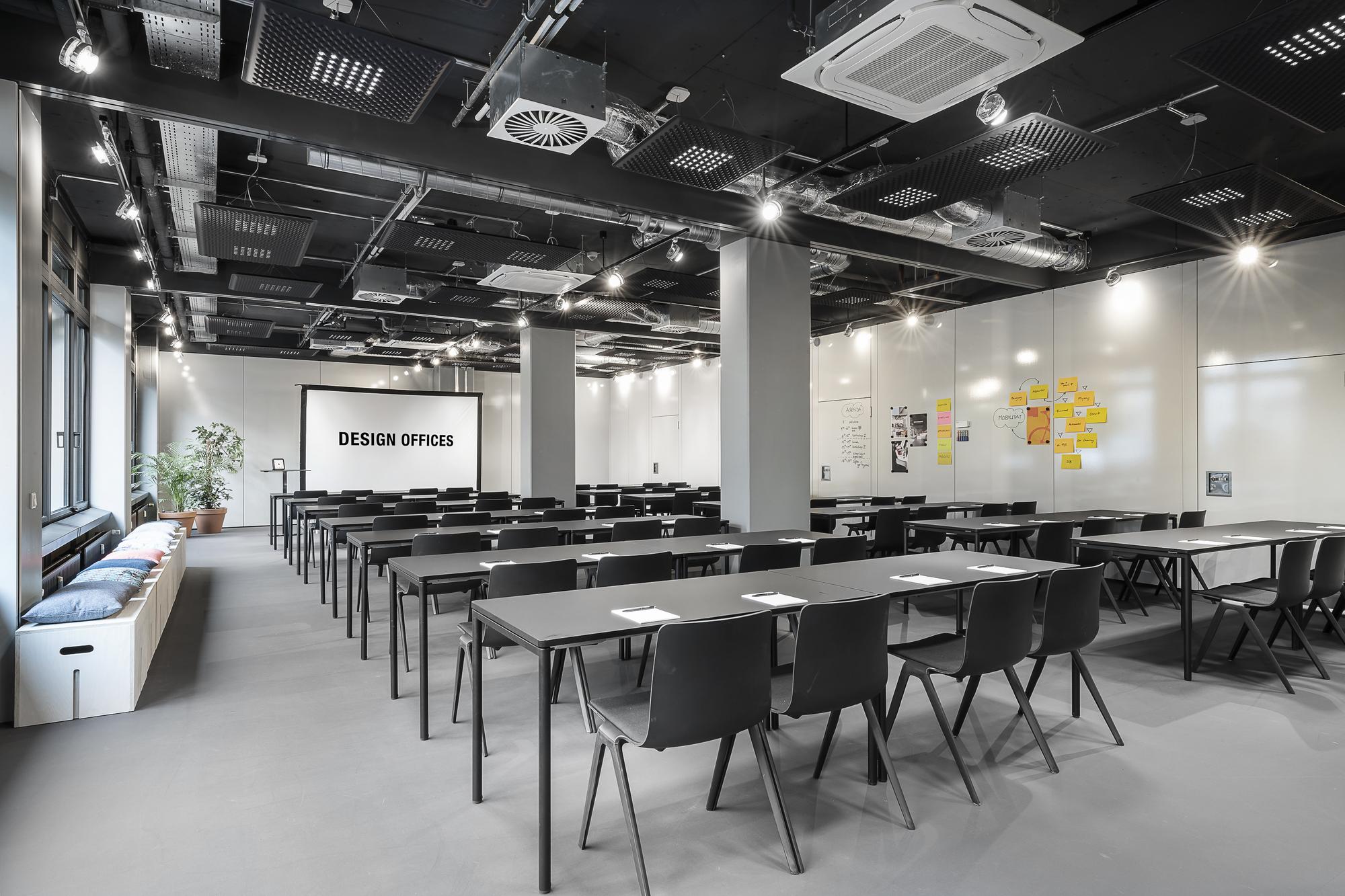
meeting room is a designated space within an office, institution, or building used for formal or informal discussions, presentations, and collaborative activities. These rooms are equipped with necessary tools to facilitate effective communication, brainstorming, and decision-making.
Types of Meeting Rooms
Conference Rooms: Large spaces designed for meetings with multiple participants, often used for board meetings, conferences, or presentations.
Small Meeting Rooms: Ideal for smaller, more intimate meetings, such as team discussions or one-on-one conversations.
Video Conferencing Rooms: Equipped with high-quality cameras, microphones, and screens for virtual meetings.
Training Rooms: Designed for educational purposes, with features like projectors, whiteboards, and interactive tools.
Breakout Rooms: Small rooms used for group discussions or brainstorming sessions during larger meetings or events.
Facilities & Equipment
Seating: Comfortable chairs and tables arranged to accommodate participants.
Audio-Visual Equipment: Projectors, screens, microphones, and speakers for presentations.
Whiteboards/Flip Charts: For note-taking, idea mapping, and brainstorming.
Wi-Fi/Internet Access: For remote collaboration, research, and video conferencing.
Video Conferencing Tools: Cameras, microphones, and software like Zoom, Teams, or Skype for remote participation.
Climate Control: Air conditioning or heating systems to ensure a comfortable atmosphere.
Lighting: Adjustable lighting for optimal visibility during presentations and discussions.
Phone/Conference Call Systems: For connecting remote participants to the meeting.
Booking & Usage
Reservation System: A process to schedule the room in advance (online booking systems or physical sign-up sheets).
Usage Policies: Guidelines on room usage duration, equipment handling, and cleanliness.
Maximum Capacity: The number of people the room can accommodate based on its size and layout.
Benefits
Productivity: A focused space for discussing important matters away from distractions.
Collaboration: Encourages team-building and effective brainstorming.
Privacy & Confidentiality: Ensures private discussions, especially in sensitive business matters.
Professional Environment: Provides a professional setting for client meetings, interviews, or presentations.
Meeting rooms are essential for organizing structured discussions, presentations, and collaborative efforts, contributing to the success of teams and organizations.